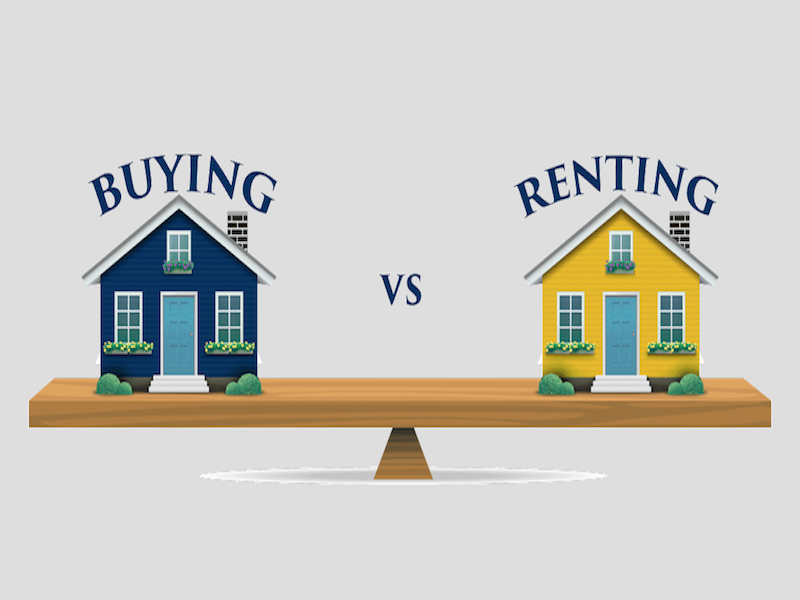
Buying a Home
Pros:
- Building Equity: Your mortgage payments contribute to building equity in your home, increasing your net worth over time.
- Stability and Control: You have the freedom to personalize your living space and don't have to worry about rent increases or lease renewals.
- Potential for Appreciation: Historically, property values have generally increased over time, offering a potential return on your investment.
- Tax Benefits: You may be eligible for deductions on mortgage interest and property taxes, reducing your overall tax burden.
Cons:
- High Upfront Costs: Buying a home requires a significant upfront investment, including a down payment, closing costs, and other fees.
- Long-Term Financial Commitment: A mortgage is a long-term obligation, and you'll be responsible for ongoing costs like property taxes, insurance, and maintenance.
- Less Flexibility: Owning a home can make it harder to move quickly if your job or circumstances change.
- Market Risk: Property values can fluctuate, and you may not always get the return you expect when you sell.
Renting a Home
Pros:
- Lower Upfront Costs: Renting typically requires a smaller initial investment, such as a security deposit and first month's rent.
- Flexibility: Renting offers more flexibility to move easily if your job or lifestyle changes.
- Less Responsibility: Landlords are generally responsible for maintenance and repairs, saving you time and money.
- Predictable Monthly Expenses: Your rent is usually a fixed cost, making it easier to budget.
Cons:
- No Equity Building: Your rent payments go to your landlord, and you don't build any ownership in the property.
- Rent Increases: Rent prices can increase over time, potentially making it more expensive to rent in the long run.
- Limited Control: You may have restrictions on how you can personalize your living space.
- Lack of Stability: Your landlord could decide to sell the property or not renew your lease, forcing you to move.
Current Market Considerations:
- Interest Rates: Rising interest rates can make mortgages more expensive, impacting affordability for buyers.
- Housing Prices: Depending on your area, housing prices may be high, requiring a larger down payment and mortgage.
- Rental Market: In some areas, the rental market may be competitive, with rising rents and limited availability.
Making the Decision:
The best choice for you depends on your individual circumstances, financial situation, and long-term goals. Consider the following:
- Financial Readiness: Can you comfortably afford the upfront and ongoing costs of homeownership?
- Lifestyle and Future Plans: Do you plan to stay in the area for several years, or do you need more flexibility?
- Market Conditions: Research the real estate and rental markets in your area to understand current trends.
Ultimately, the decision to buy or rent is a personal one. Weigh the pros and cons carefully, consider your needs and goals, and make the choice that's right for you.